What CuteShow makes

Everything in the library, and what each piece is for

CuteShow is an animation studio and children's publisher. The catalog below covers the series itself and the materials that sit around it, so you can pick what fits the afternoon you actually have.
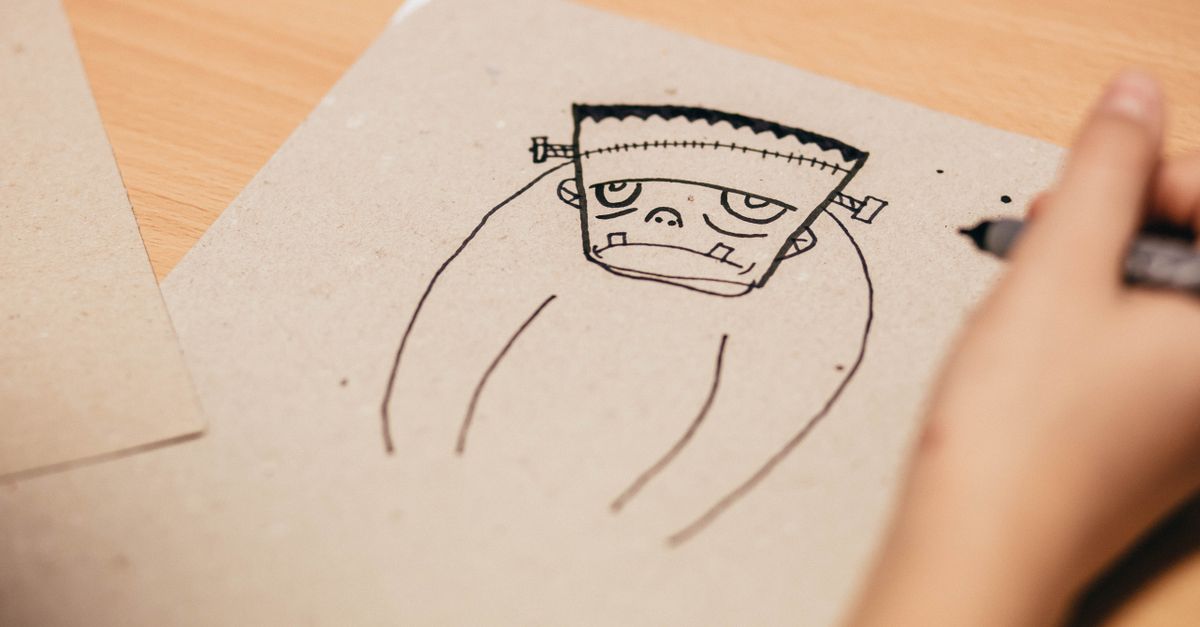
CuteShow: offerings
Series

Short original episodes

Four to seven minutes each, built around a gang of curious little animals who solve small mysteries in a neighborhood of colorful little houses. A single story opens and closes inside one sitting.

Best for a calm block after lunch or a wind-down before dinner.

Printables

Coloring pages and paper puppets

Downloadable sheets to print at home, plus puppet templates you cut, fold, and glue into a character a child can hold and give a voice to.

Suits kids who want to keep playing after the episode ends.

Play

Rainy-afternoon play scripts

Short scripts written for the hours when going outside is not an option. Simple roles, everyday props, and room for a child to change the ending.

Works with one child or a small group of mixed ages.

Classroom

Guide for early years teachers

Notes for educators who want to use an episode in the classroom: how to open a group conversation, what to prepare in advance, and how to move back to the tables calmly.

Written for settings that already have a routine in place.

Season extras

Songs and riddles

Each season adds simple songs with repeating lines and guessing games built around everyday objects. They travel well, including into a car ride home.

Useful when you want a screen-free ten minutes.

Drawing

Step-by-step mini tutorials

Rounded characters broken into a few easy shapes, so a child can pause, check the work, and finish a drawing they can name and reuse.

Aimed at ages three to eight, with an adult nearby for the youngest.

Not sure where to begin? The solutions overview groups these materials by the kind of moment you are filling, and the process page shows how an episode, a printable, and a drawing step fit together in one sitting.

Every item here is designed for children aged three to eight and for adults who want screen time with a purpose.

Before you pick something from the library

A few practical notes on how the CuteShow materials work together, what you need on hand, and what to expect from each format. Nothing here is a commitment on your side.

If a question below does not cover your case, you can send it through the contact page.

What ages is the series written for?

Episodes, songs, riddles, and drawing tutorials are made for children aged three to eight, and for adults who want screen time with a purpose. Younger viewers usually follow the pictures and sounds; older ones pick up on the small mystery and the jokes.

How long is one episode?

Each original episode runs between four and seven minutes. That length is deliberate: a single small mystery opens, develops, and closes before attention drifts, so the viewing block stays short and easy to end.

What do I need for the printables?

Coloring pages and paper puppets are designed for a standard home printer and ordinary paper. Heavier paper helps a puppet survive an afternoon of play, and a stick, glue, and scissors cover the rest. No special kit is required.

Can teachers use the episodes in class?

Yes. The teacher guide for early years settings explains how to pair a short episode with a group conversation, a drawing activity, or a simple song during morning circle. It assumes you already have a routine and want one more tool inside it.

Do the seasons change what is available?

Each season adds its own songs, riddles, and step-by-step drawing tutorials alongside the episodes. Earlier materials stay in the library, so you can mix a new episode with a printable from a previous season without losing anything.

What is not part of the offering?

CuteShow publishes episodes and printable activities. There are no physical products shipped, no accounts to create, and no membership plans. Everything on the site is meant to be watched, printed, or read as it is.

More background on how the materials fit together is on the questions page.

Work standards

How we agree, check, and hand over each piece

Every episode, printable, script, song, riddle, and drawing tutorial on this page moves through the same quiet routine before it reaches a family or a classroom. Nothing is published on a hunch, and nothing is promised beyond what we can actually show you.

Agreement before production

Each item starts with a short written brief: what it is, who it is for, and which part of the CuteShow world it belongs to. The brief stays open for comments until the people involved agree on scope, so a coloring page does not quietly turn into a puppet sheet halfway through.

Detail checks along the way

Character shapes, colors, and names are checked against the existing cast before anything is drawn or written. Episode timing is reviewed against the four to seven minute format, and printables are checked for line weight, fold marks, and how they behave on a home printer.

Stages written down

Draft, review, revision, and final are recorded as separate steps with a short note on what changed at each one. If a song lyric or a riddle gets reworded, the earlier version stays in the record so we can see why the change was made.

Corrections handled openly

Feedback from teachers and families is read and sorted, not filed away. When a correction is accepted, we note what it affects: a single sheet, a whole season of songs, or the way a character is drawn in future episodes.

Handover of the finished item

A finished episode, printable, or script is handed over with its files, its intended age range, and a plain note on how it is meant to be used. Nothing is described as certified, approved by an outside body, or guaranteed to produce a specific result.

What we do not claim

We do not issue certificates, badges, or formal accreditations for the materials on this site. We do not promise learning outcomes, screen-time limits, or classroom results. If something is still being tested, it is described as such until it is finished.

Case note

How a short episode becomes a classroom activity

A scenario we work through often: an early years teacher wants to use one CuteShow episode in a morning circle, then move the group into a hands-on task without losing the thread. The notes below describe how that kind of pairing can be planned. This is an example, not a report from a specific school.

Context

A group of children aged three to eight, a room with a screen and a low table, and roughly twenty minutes available before the next part of the day. The teacher already has a routine and wants one more tool inside it, not a replacement.

The task

Pick one episode that opens a small mystery, watch it together without pausing, then hand the group something concrete to do with what they just saw. The follow-up has to be short enough to finish and simple enough that no child is left waiting.

Constraints

Episode length stays inside the four to seven minute range. Materials must be things already in the room: paper, crayons, scissors, glue. No login, no account, no extra hardware. The viewing block stays short so the transition back to tables stays calm.

Approach

Choose the episode first, then match it to one printable: a coloring page for a quieter group, a paper puppet sheet when the room can handle movement, or a drawing step if the focus is on shapes. Prepare the sheets before the children arrive so nothing is cut or printed mid-session.

What to watch for

The first thirty seconds tell you whether the group is following. If attention drifts, the follow-up activity can carry the rest of the idea on its own. A clear ending in the episode helps children move on without frustration.

Practical outcome

One episode, one printed sheet, one short conversation. The pair can be repeated with a different episode the following week, and the finished pages can go on a wall or into a homemade storybook. The teacher keeps the routine; the material fits into the session.

Cookie settings

We use cookies to keep the site reliable, remember basic choices, and understand which pages are useful. You can accept, reject, or review the settings before continuing.